Does the amount of PUSH-UPs predict a risk of Heart Disease?

- The answer is YES, according to an article published in 2019 in the JAMA Network Open journal.
 
- Participants who were able to complete > 40 PUSH-UPs had lower risk of Heart 🫀Disease as compared to individuals completing < 10 PUSH-UPs.
 
- This study included 1104 male fire fighters with a mean age of 39.6 years and BMI of 28.7. The follow up lasted 10 years.
 
- The authors concluded: 'The findings suggest that higher baseline push-up capacity is associated with a lower incidence of CardioVascular events. Although larger studies in more diverse cohorts are needed, push-up capacity may be a simple, no-cost measure to estimate functional status.'
 
- Link to the article below:
 
 
https://jamanetwork.com/journals/jamanetworkopen/fullarticle/2724778

--------------------------------------------------------------------------------------------------------

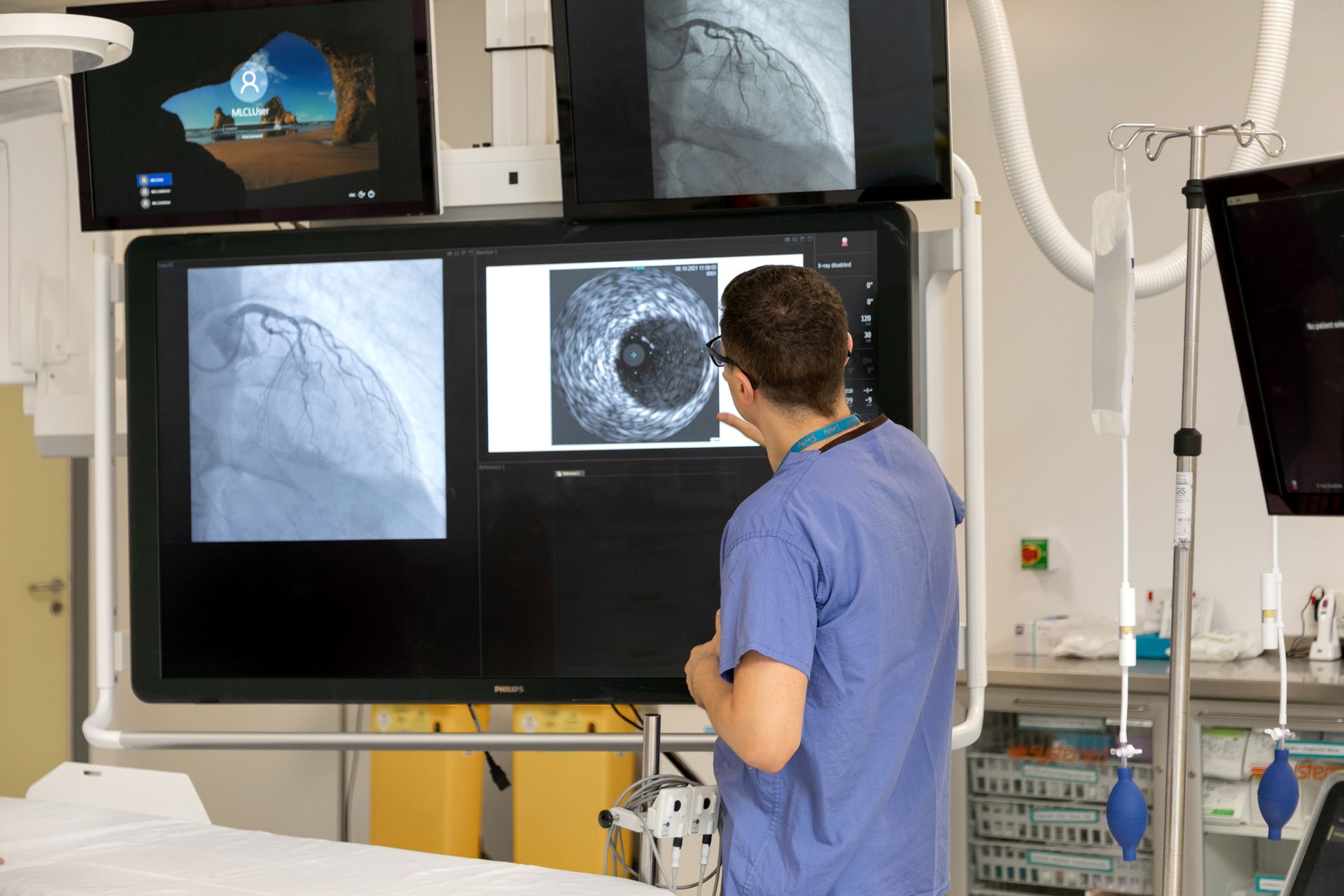
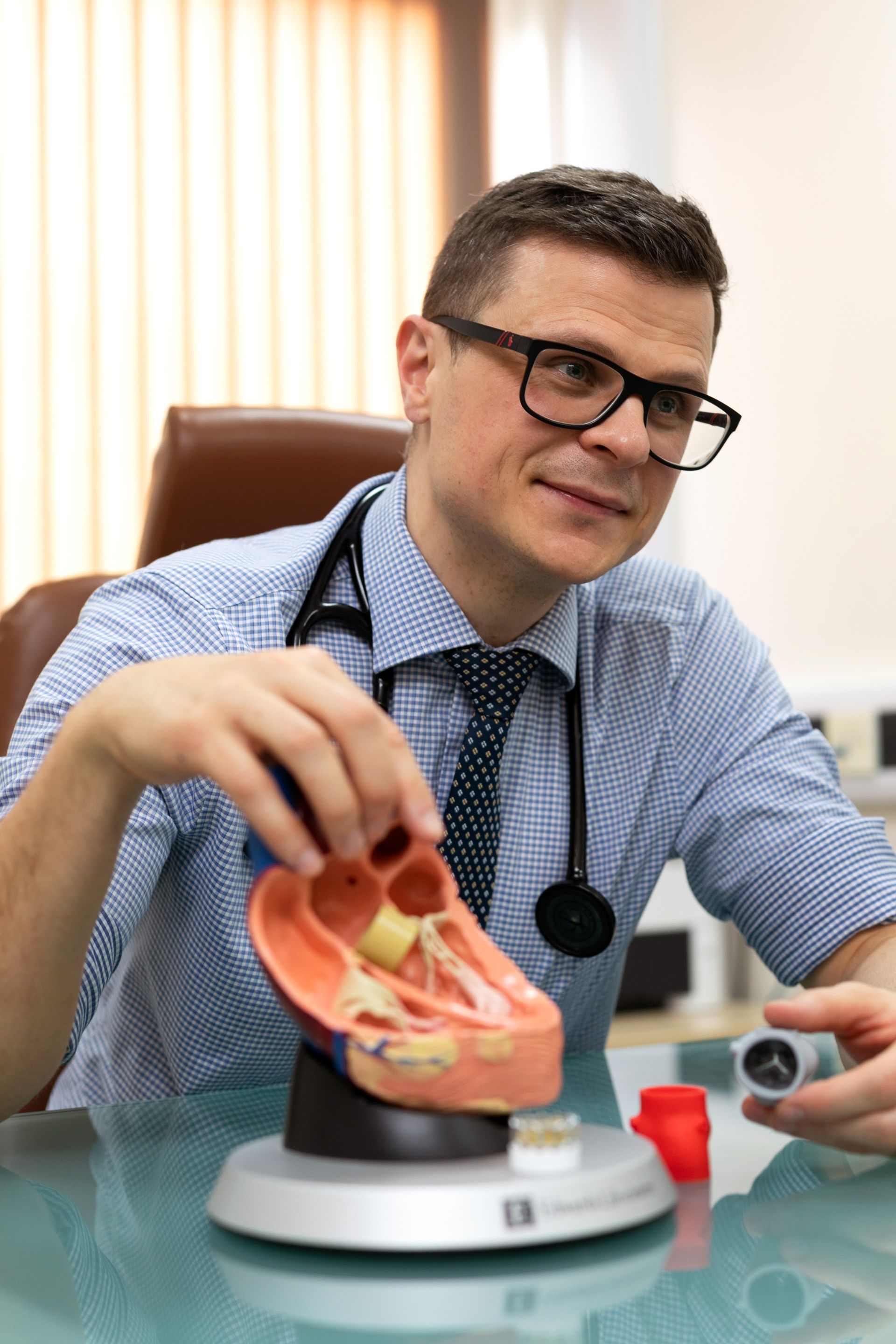
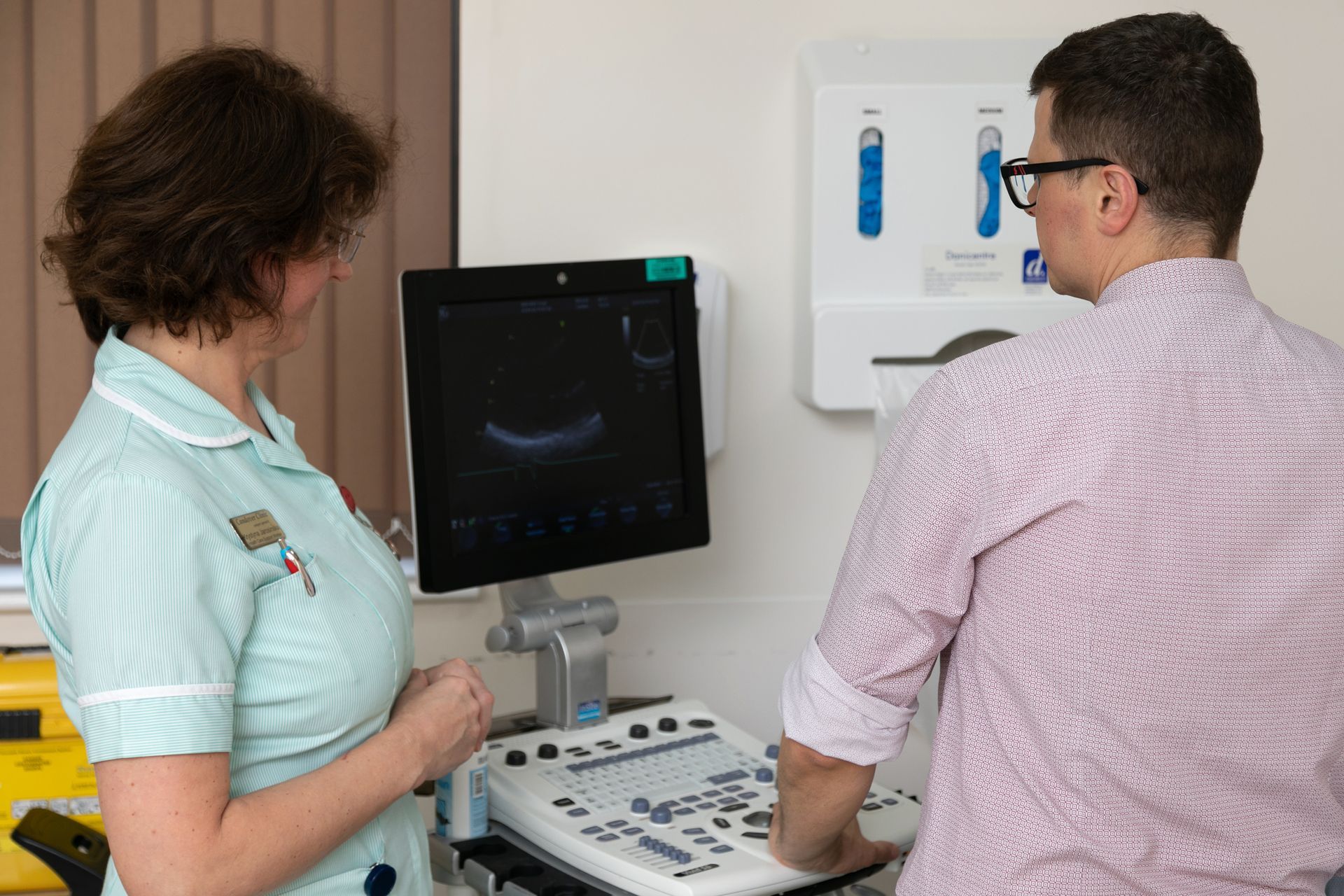
Dr Bart Olechowski, who consultants patients at private hospitals in Winchester (Sarum Road Hospital), Basingstoke (Candover clinic) and Farnham (Clare Park Hospital) is an enthusiast of healthy and active lifestyle. He offers private tests and treatments including coronary angiography, stents, heart beat and blood pressure monitoring in Hampshire. 

What Is Arrhythmia? Symptoms & Causes | Dr Bart
by Bartosz Olechowski • 1 November 2026
What is arrhythmia? Dr Bart explains irregular heartbeats, common symptoms, causes, diagnosis and treatment options, plus when to seek medical help.
heart disease symptoms, types of heart disease, coronary heart disease, cardiovascular disease
by Bartosz Olechowski • 10 October 2026
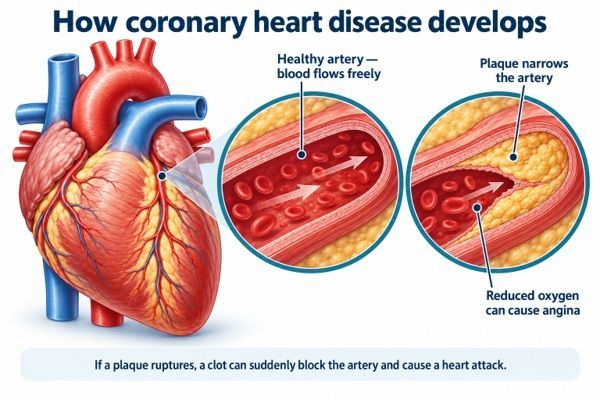
A cardiologist explains heart disease in plain English: types, symptoms, causes, tests, treatment and practical ways to protect your heart.
Dr Bart Olechowski, consultant cardiologist explains different exercise modalities.
by Bartosz Olechowski • 4 October 2026
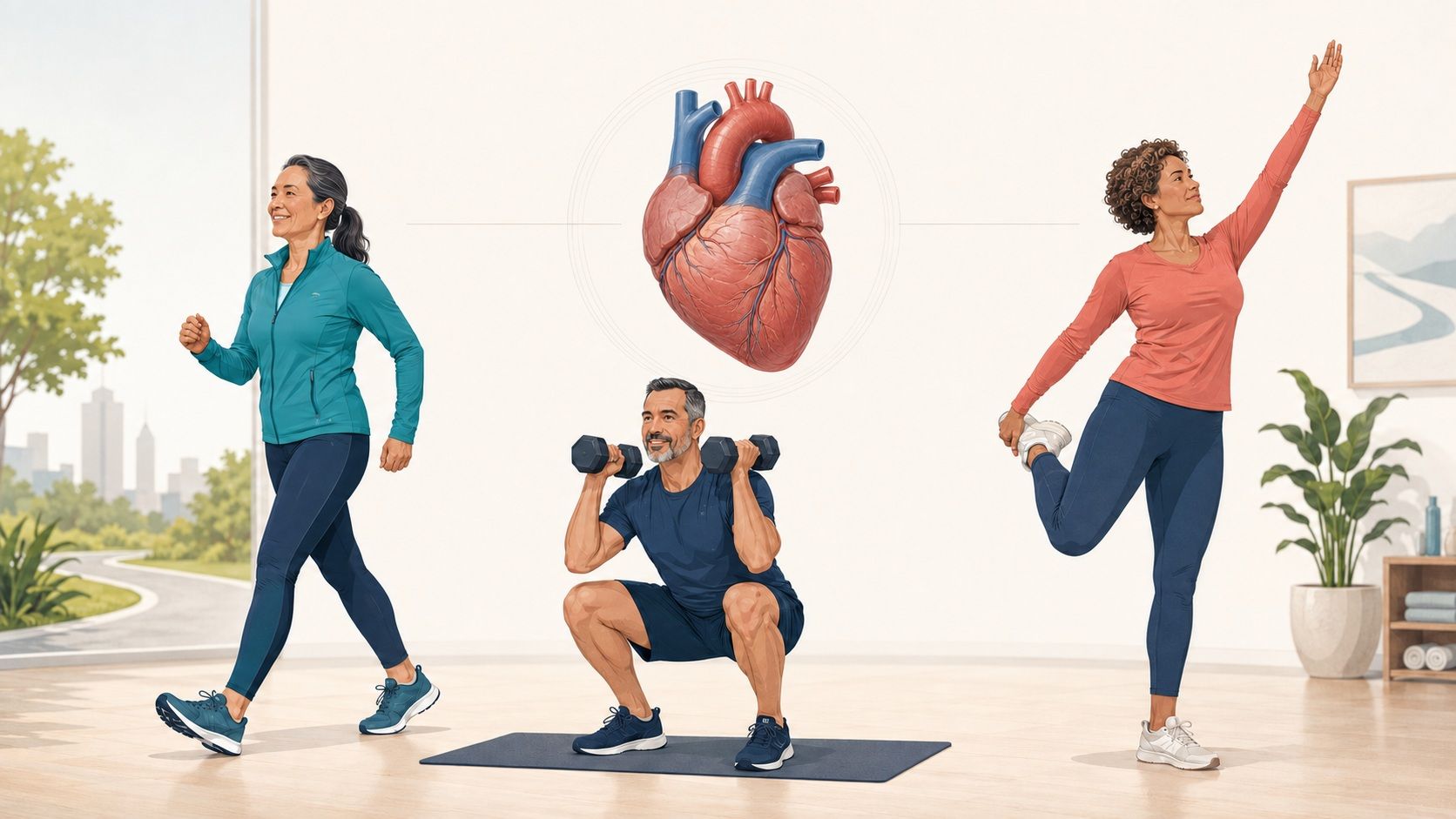
Learn how to combine cardio, strength training and flexibility for better heart health, fitness and mobility with practical advice from a cardiologist.
People playing padel and tennis for heart health and cardiovascular fitness
by Bartosz Olechowski • 6 September 2026
Discover how padel, tennis and other racquet sports may improve heart health, cardiovascular fitness and longevity, explained by a cardiologist.
Sauna and Heart Health: Benefits and Risks | Dr Bart, cardiologist in Hampshire, UK.
by Bartosz Olechowski • 16 August 2026
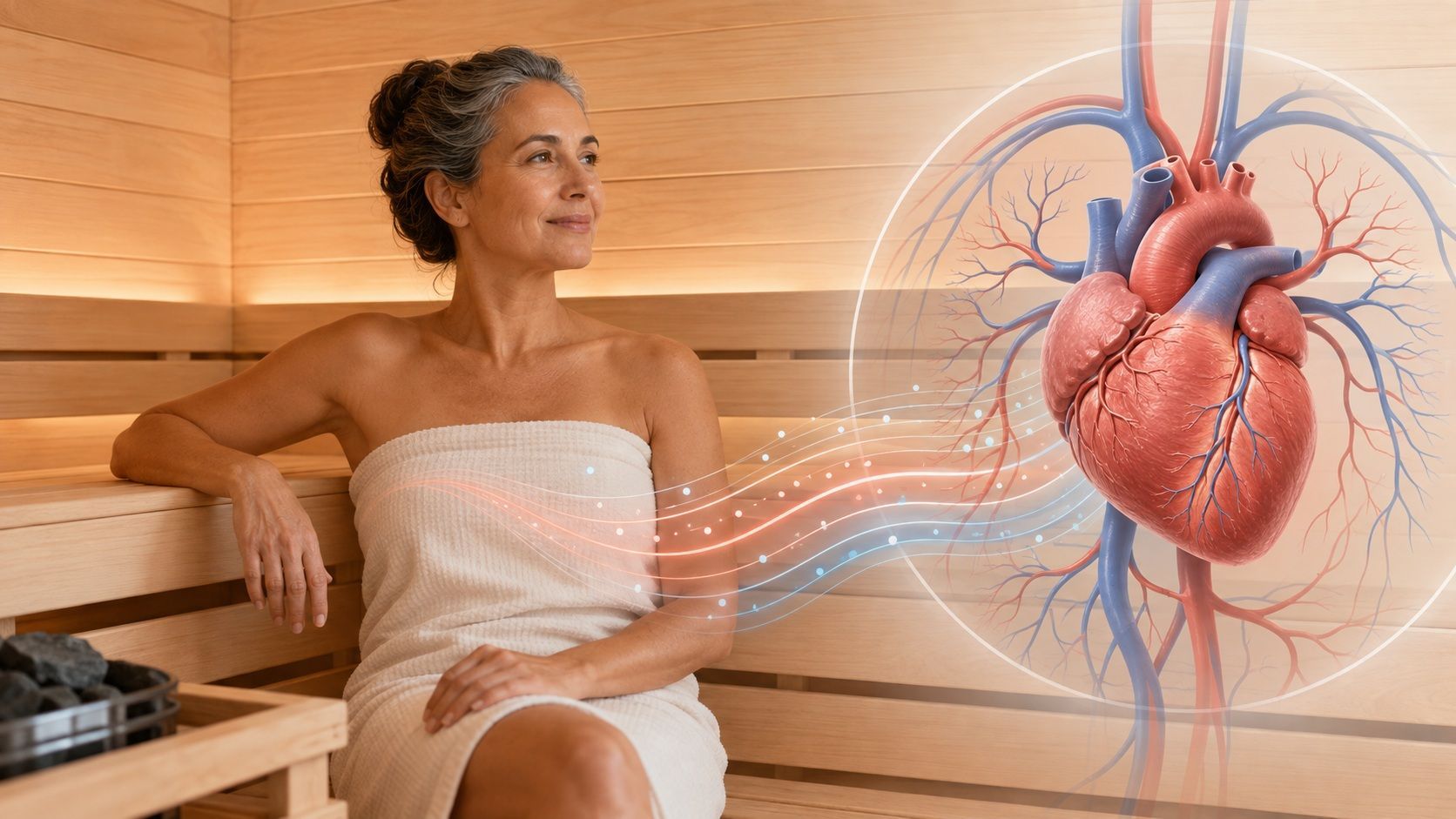
Can sauna use improve heart health? A cardiologist examines the evidence on blood pressure and cardiovascular benefits, plus potential risks and safety advice.
What Is Microvascular Angina? Symptoms, Diagnosis & Treatment
by Bartosz Olechowski • 2 August 2026
Microvascular angina is an important cause of chest pain in people without significant narrowing of the major coronary arteries. Learn about coronary microvascular dysfunction, common symptoms, modern diagnostic tests and available treatments.
What is POTS? Consultant Cardiologist Dr Bart Olechowski explains the symptoms, causes, diagnosis an
by Bartosz Olechowski • 11 July 2026
What is POTS? Consultant Cardiologist Dr Bart Olechowski explains the symptoms, causes, diagnosis and treatment of Postural Orthostatic Tachycardia Syndrome, including Long COVID-related POTS.
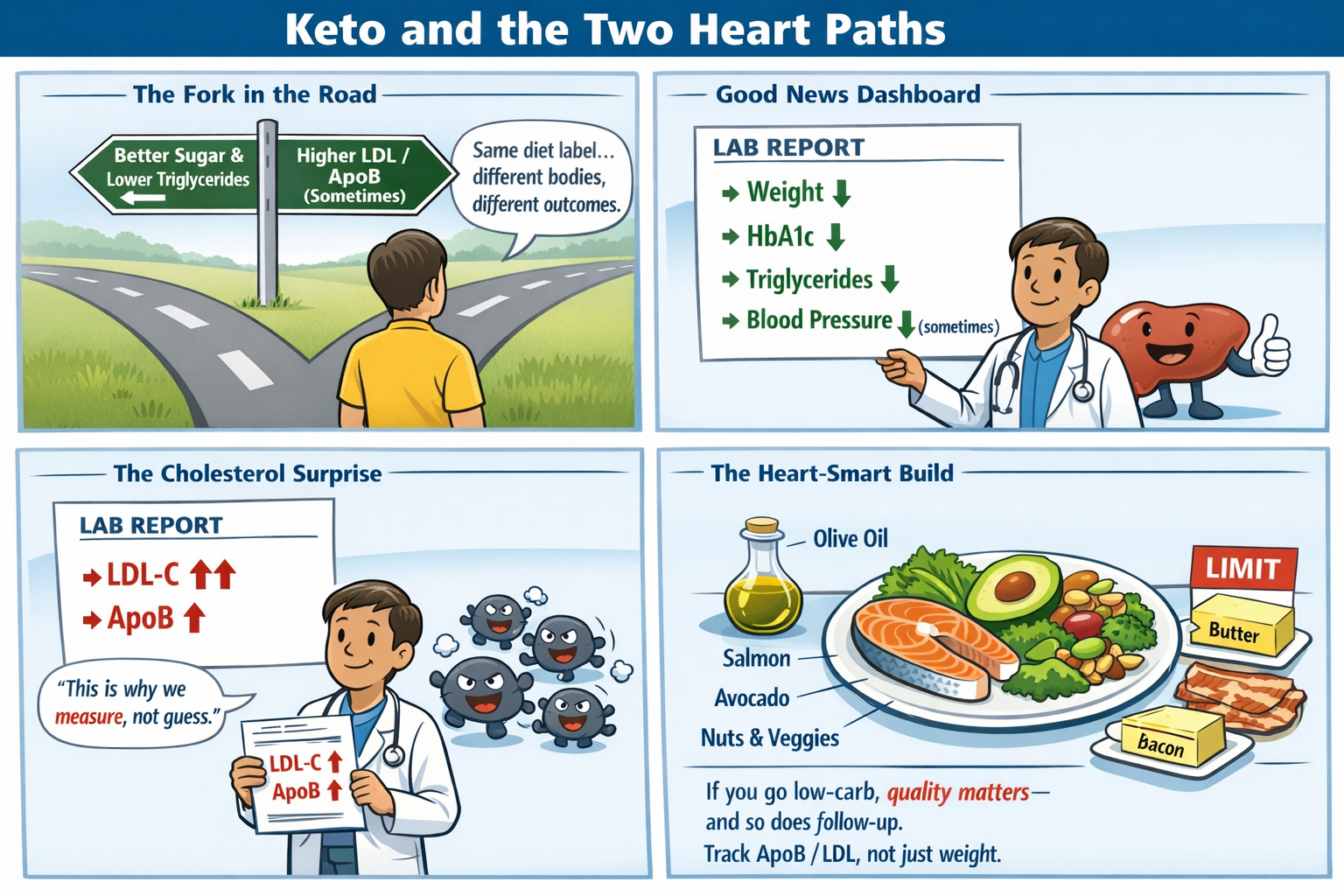
The Keto Diet and Heart Health: Dangerous or Effective?
by Bartosz Olechowski • 26 June 2026
Dr Bart Olechowski Consultant Cardiologist in Hampshire, UK (Winchester, Basingstoke, Andover)
Dr Bart Olechowski - consultant cardiologist at Hampshire, UK - Winchester, Basingstoke and Andover
by Bartosz Olechowski • 9 April 2026
After childbirth, some women develop unexpected heart and blood vessel issues. While pregnancy care often focuses on delivery and the baby, postpartum cardiovascular risk is equally important—and often overlooked. Research now shows pregnancy can reveal hidden heart vulnerabilities or trigger lasting changes.
by Bartosz Olechowski • 7 March 2026
Human space exploration pushes the limits of science, technology, and medicine. Researchers have long studied how living beyond Earth’s gravity affects the body — especially the cardiovascular system. Because the heart evolved under gravity, it faces unique stresses in space.