Does nature lower your heart risk?
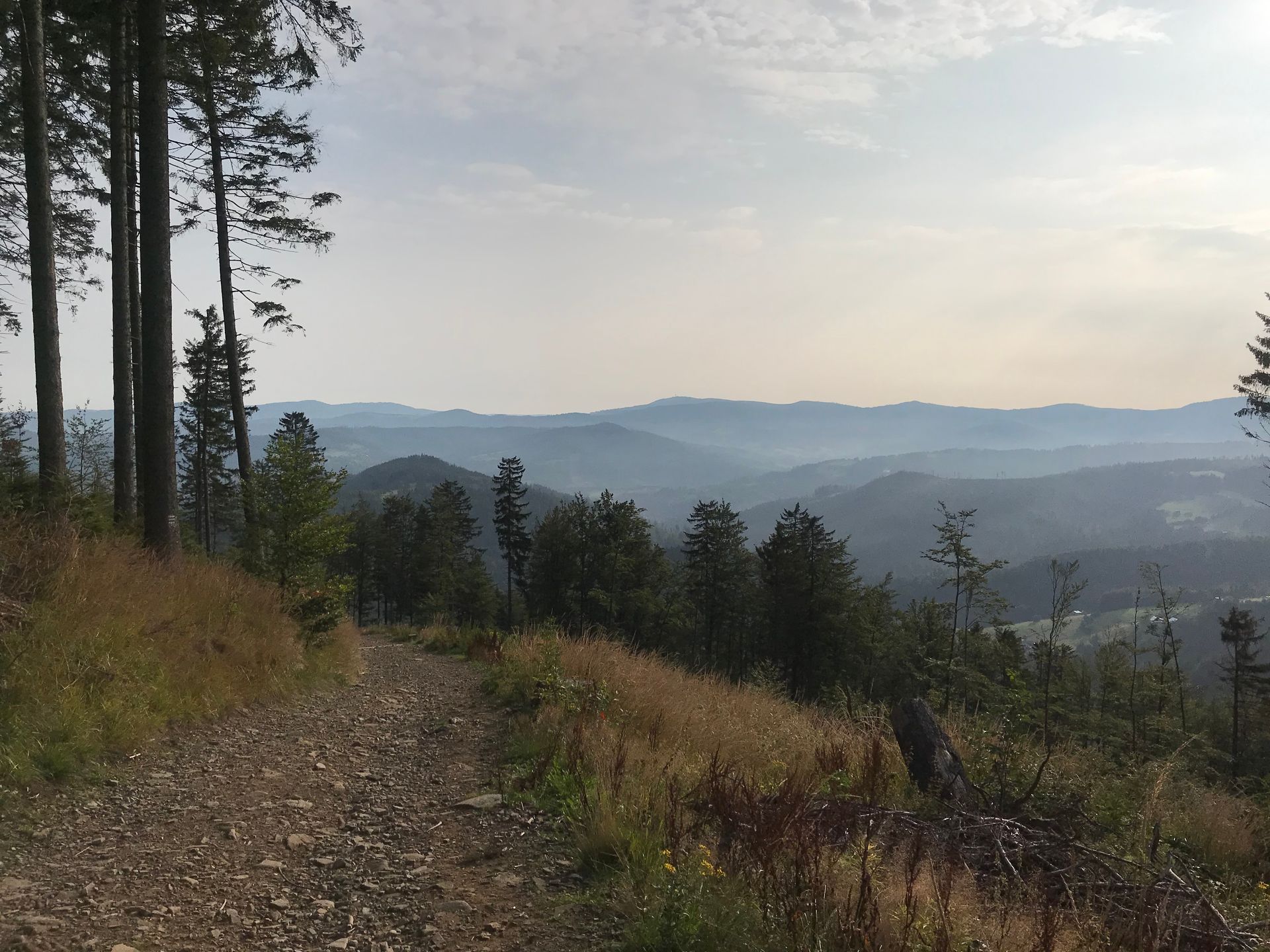
We intuitively feel better after a walk in the park, our mood lifts and breathing eases. But beyond this pleasant feeling, can contact with nature actually reduce the risk of heart disease? In this blog post we will describe the evidence and explain how and how much green environments might affect heart health. Along the way we will use three phrases— nature and heart health, green space benefits, and cardiovascular health nature — which are often looked for on the internet.
At the end we also answer a very interesting question:
Does VIEWING WATER have an impact on your Blood Pressure and Heart Rate?
The simple answer is `Yes` — the currently available evidence shows that greater exposure to green space (parks, street trees, gardens and other vegetation) is associated with lower risk of cardiovascular disease and cardiovascular mortality. The effect sizes are modest but consistent and plausible biological and social mechanisms also exist. For instance increased physical activity, stress reduction, lower air pollution and heat exposure, improved sleep and social cohesion. Large cohort studies and systematic reviews (including meta-analyses) support the association, and public-health agencies (including the WHO) recommend urban green infrastructure as part of strategies to improve population health.
https://pmc.ncbi.nlm.nih.gov/articles/PMC9429791/
https://www.mdpi.com/1660-4601/20/11/5966
https://iris.who.int/bitstream/handle/10665/345751/WHO-EURO-2016-3352-43111-60341-eng.pdf?sequence=3
Why this question matters
Cardiovascular disease, which includes heart attacks and strokes — remains the world’s leading cause of death. Even small shifts in population-level risk factors (blood pressure, stress, physical activity) can translate into large public-health benefits. Urbanization, loss of green cover, increasing heat and air pollution intensify CVD risks in many places. If relatively low-cost interventions like parks, trees and accessible green corridors can reduce heart risk even a little, they may be powerful complements to medical care and behavioural programs. The central question is: are observed links causal, and can planners use green space to reduce cardiovascular burden?
A review article from 2015 found fairly strong evidence of a positive link between greenness and physical activity, and weaker, less consistent evidence of an inverse relationship between greenness and body weight. Research also indicates that greenness may help protect against poor mental health, cardiovascular disease, and mortality, though many studies were limited by cross-sectional or ecological designs. Evidence consistently supports an association between prenatal exposure to greenness and higher birth weight, while findings for other birth outcomes remain less clear. Future studies should adopt prospective designs, distinguish between the quantity and quality of greenness, and explore mediators and effect modifiers that shape greenness–health relationships.
https://pmc.ncbi.nlm.nih.gov/articles/PMC4500194/
Another review published in 2018 described consistent evidence of a negative association between urban green space exposure and mortality, heart rate, and violence, as well as a positive association with attention, mood, and physical activity. Findings however were mixed—or showed no association at all—for general health, weight status, depression, and stress measured by cortisol concentration. Finally, the evidence base was too limited to draw conclusions regarding birth outcomes, blood pressure, heart rate variability, cancer, diabetes, or respiratory symptoms. The authors concluded that more studies with rigorous designs are needed to enable broader generalizations and support future meta-analyses across a wider range of health outcomes. These findings may inform urban managers, policymakers, and community organizations in efforts to expand or preserve green space.
https://pmc.ncbi.nlm.nih.gov/articles/PMC5876990/?
Who benefits most?
Evidence suggests that the benefits of green space are not equally distributed:
- Older adults and people with chronic conditions often show measurable improvements in stress biomarkers and physical activity when green space is added nearby.
https://www.sciencedirect.com/science/article/pii/S0160412024001569
- Lower-income communities may gain relatively more in mortality reduction when greenness is increased, possibly because baseline environmental stressors (pollution, noise, heat) are higher and thus mitigatable. Several large cohort studies found stronger associations among deprived groups.
https://pmc.ncbi.nlm.nih.gov/articles/PMC9429791/
- Evidence consistently shows that exposure to greenness during pregnancy is linked to higher birth weight, although associations with other birth outcomes remain less clear.
https://pmc.ncbi.nlm.nih.gov/articles/PMC4500194/
Limitations, uncertainties and important caveats
A balanced read of the literature requires acknowledging limits. The gold standard — randomised controlled trials with hard CVD endpoints — is largely absent for logistical and ethical reasons. Natural experiments and intervention studies help, but conclusions about magnitude and causation should remain cautious.
Practical implications for clinicians, planners and citizens
For clinicians and public-health practitioners:
- Encourage physical activity with time in safe natural environments. Evidence suggests that walks in parks can improve mental health and promote activity; their long-term effect on hard CVD endpoints needs more study.
For individuals:
- Use nearby green spaces regularly. Even short, regular green-space exposure can reduce stress and increase activity. Choose routes with trees when walking or commuting and opt for activities that combine physical activity, social contact and exposure to nature.
Does nature heal the heart?
The accumulated evidence suggests that nature and heart health are linked: living near and using green spaces is associated with lower cardiovascular risk through multiple plausible pathways. The effect sizes for individuals are typically modest, but because exposure is scalable across entire populations, the public-health implications are meaningful. Importantly, the clearest gains come when green space is accessible, safe, and integrated into daily life — not merely ornamental plantings visible from a highway.
Final thoughts
The phrase nature and heart health captures a measurable public-health signal: being close to nature appears to reduce cardiovascular risk through multiple pathways. That said, green space benefits are context-dependent: the best gains come from accessible, safe, high-quality greenspaces integrated with everyday life. Research on cardiovascular health nature is not yet randomised and causation needs to be considered with caution, however the available data suggests that nature can help protect the heart — and smart planning can help nature reach the people who need it most.
Final question:
Does VIEWING WATER have an impact on your Blood Pressure and Heart Rate?
– The answer is YES, according to an article published in 2022 in the Journal of Environmental Psychology.
– This publication included two separate studies.
– First study included 32 participants looking at a swimming pool or watching a tree or a sign across a street. Viewing water for 1 minute and 40 seconds decreased blood pressure (vs tree and sign) and heart rate (vs sign).
– Second study enrolled 73 individuals who were viewing water in a lake or adjacent ground. Participants reported subjective relaxation and on average lower blood pressure and heart rate were recorded.
– The authors concluded: ‘Together, these findings indicate that viewing water can affect autonomic tone in a way that might account for the subjective rating of relaxation.’
– Link to the article below:
https://www.sciencedirect.com/science/article/pii/S0272494422000391
Link to full article:
https://drbart.co.uk/green-spaces-and-lower-heart-risk-does-nature-heal
Dr Bart Olechowski offers private cardiology consultations for patients with heart-related symptoms. He sees patients at clinics in Winchester (Sarum Road Hospital), Basingstoke (Candover Clinic), and Farnham (Spire Clare Park Hospital).
During consultations, Dr Bart assesses blood pressure and, where appropriate, arranges 24-hour blood pressure monitoring.
For appointments or enquiries, please contact his medical secretary, Amy Rossiter, on 07984 245 550 or via email at pa@drbart.co.uk.
For further information and regular updates, visit www.drbart.co.uk, where Dr Bart shares blog posts on cardiology and heart health.